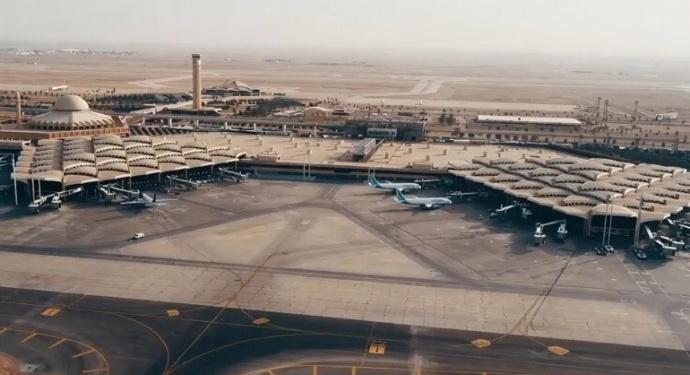
The European Union and the Gulf Cooperation Council were scheduled to meet in Riyadh on October 24, 2026. However, it was announced that the Second EU-GCC Summit had been postponed to a later date. The European Council did not provide any details regarding the reason for the postponement. The GCC, however, cited the ongoing Houthi attacks, the suspension of flights at King Khalid International Airport, and concerns over the safety of the participating delegations. In a recent attack on Riyadh’s airport claimed by the Houthis, 13 people were killed and hundreds were injured. This development shows that the security crisis has consequences beyond the military sphere.
This summit was intended to be more than a political meeting. The parties were expected to discuss and cooperate on several issues, ranging from trade to energy. Another important purpose of the meeting was to strengthen solidarity between Europe, Saudi Arabia, and the other Gulf countries during the war, while maintaining the momentum created by the first summit in 2024. However, the postponement has the potential to slow cooperation between the parties and delay the steps they might take to address common problems. Both the EU and the GCC have stated that they remain committed to strategic cooperation. Nevertheless, the postponement is also a sign of how seriously the region’s security situation has deteriorated.
This decision is significant not only for the region but also for Saudi Arabia. Riyadh has sought to host international summits in order to strengthen its central position among the Gulf countries. In the international arena, the willingness to host such meetings is important, but the main priority should be ensuring that participating delegations can reach the host country safely. The inability of the capital’s main airport to operate because of attacks could put pressure on Riyadh’s image as a secure and accessible diplomatic hub. Still, a single postponement does not mean the end of Saudi Arabia’s regional diplomatic role.
The new date and location of the meeting will be announced later. This development is important for both the region and Saudi Arabia. From a regional perspective, the postponement of such an important summit turns a problem of military deterrence into a question of diplomatic credibility. A prolonged postponement or the relocation of the summit to another country could result in a diplomatic setback for Saudi Arabia. The country’s claim to being a regional diplomatic centre will be measured not only by its willingness to host international meetings but also by its ability to provide secure access and uninterrupted diplomatic activity.